Yes. Venues frequently accept professionally treated artificial plants when they are accompanied by a Certificate of Fire Retardant Treatment for the requested standard.
01 · Venue requirements
Why do venues request treatment?
Artificial foliage can introduce a large amount of decorative material into a commercial space, particularly when used across walls, ceilings or densely planted displays.
A venue manager, landlord, insurer or fire-risk assessor may therefore request evidence that the foliage has received professional fire-retardant treatment.
The treatment certificate provides a record of the items treated, where the work was completed and the standard requested for the display.
02 · Treatment standards
Which fire standard may be requested?
Artificial plants and decorative foliage are often treated to BS 5852. BS 5867 Part 2 Type B is also sometimes requested for decorative displays.
The required standard should be confirmed by the venue or person responsible for the fire-risk assessment. If they have supplied particular wording, pass this on before treatment.
03 · Class B
Can treated artificial plants achieve Class B?
Only artificial foliage manufactured from inherently fire-retardant plastic can achieve a Class B classification under BS EN 13501-1.
Post-installation spraying cannot turn ordinary artificial plants into a Class B product. Where Class B is required, the foliage should be purchased with the appropriate classification documentation from its manufacturer or supplier.
04 · Before installation
Can plants be treated before installation?
Yes. Loose artificial plants, trees and removable arrangements can be treated before they are installed.
Treating the individual items provides access to the leaves, stems and other decorative surfaces. The plants can then be installed after treatment.
05 · Installed displays
Can an existing display be treated on site?
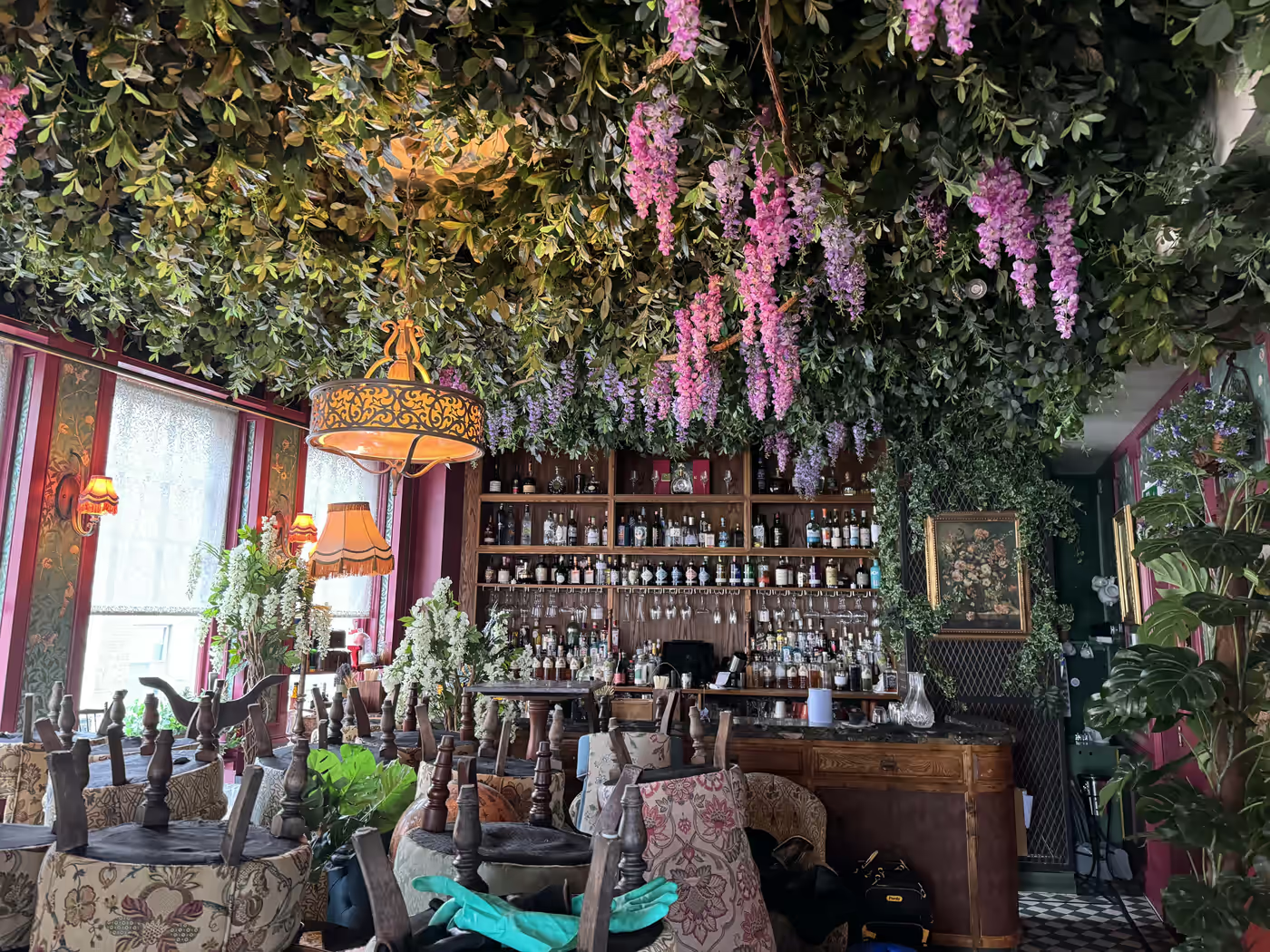
Yes. Installed artificial-plant walls, ceiling displays and decorative arrangements can be treated on site.
Nearby floors, furniture, lighting and finished surfaces are protected before treatment begins. Photographs of the complete display and close-up images of the foliage help establish its density and the amount of treatment required.
06 · Documentation
What does the certificate contain?
After treatment and payment, a Certificate of Fire Retardant Treatment is supplied.
The certificate records:
- The artificial plants or foliage treated
- The site where the work was completed
- The treatment standard
- The fire-retardant product used
- Maintenance and retreatment information
The certificate can be kept with the venue’s fire-safety and project records.
07 · Before treatment
What information should be provided?
Before arranging treatment, provide:
- Details of the artificial plants or foliage
- The approximate size of the display
- Whether the items are loose or already installed
- The site address and postcode
- Any standard or wording you have been given
- Photographs of an installed display