
Drapes, backdrops, hessian, organza, costumes and other production textiles.
Film, TV & theatre · UK-wide
Fire retardant treatment for film, TV & theatre productions
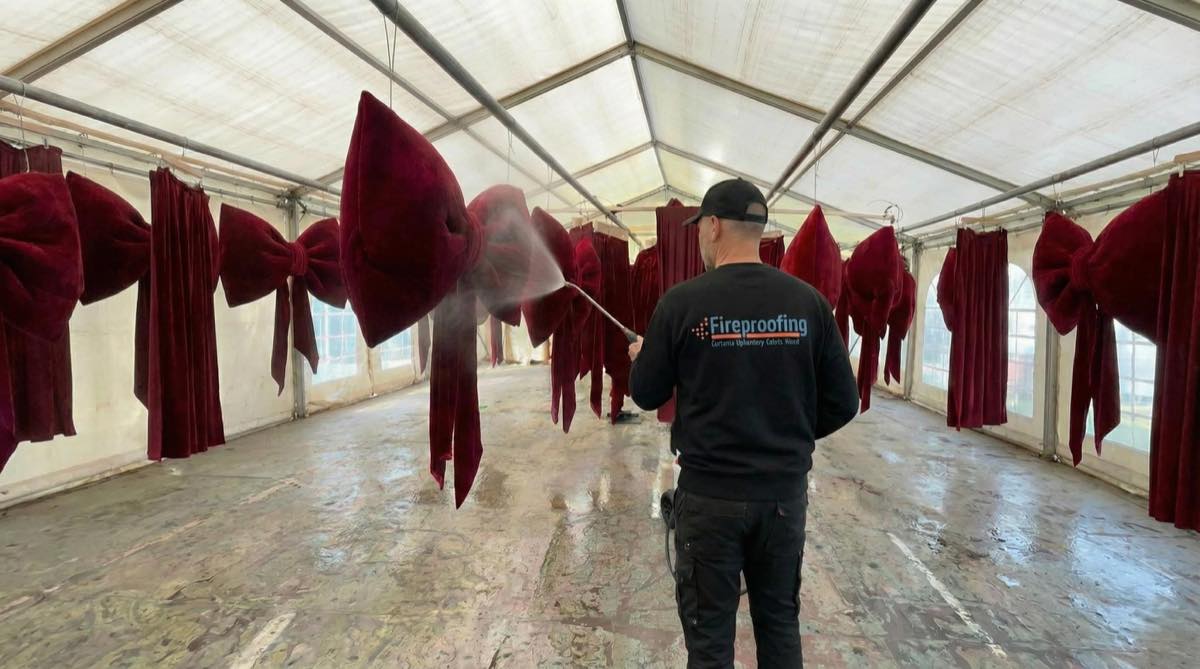
We treat fabrics, scenery, set dressing, costumes, foliage and other production materials—on site or at our premises. Your treatment certificate is supplied after completion and payment.
- 35+ years
- Specialist treatment experience
- UK-wide
- Studios, workshops and locations
- Flexible treatment
- On site or at our premises
- Treatment certificate
- Supplied after completion and payment
Materials we treat
What needs treating for your production?
We treat a wide range of production materials. Send us the material details and we’ll confirm suitability before quoting.
Printed pieces, paper scenery, constructed items and absorbent card.
Scenic flats, structures and unfinished timber components that can absorb the treatment.
Artificial plants, garlands, flowers, decorative items and mixed-material installations.
Finished or unusual materials: painted, sealed, laminated or specialist surfaces may require assessment or a sample treatment.
Treatment in action
Polystyrene rocks for an art installation
Large grey polystyrene rocks being fire-retardant treated for an art installation, with BS 5852 Part 1 specified for this project.
The short clip shows the treatment being applied to the sculpted surface.
Documentation
Your treatment certificate
After treatment and payment, we issue a Certificate of Fire Retardant Treatment covering the materials treated, the production location and the completed work.
Fire Proofing LtdCertificate scope
- Materials treated
- The items or material groups covered
- Treatment details
- The product, date and work completed
- Maintenance guidance
- Relevant care and retreatment information
A straightforward production service
From material details to certificate
- 01Send the production details
Tell us the materials, approximate quantities or sizes, location and deadline. Include photographs where helpful.
- 02Receive your quote
We confirm suitability, treatment method, price and arrangements.
- 03We complete the treatment
The agreed materials are treated and allowed the required drying time.
- 04Receive your certificate
Your treatment certificate is supplied after completion and payment.
Production experience
Experienced with varied materials and fixed deadlines
We have supported major film, television, theatre and live-production projects. We understand the need for clear answers, careful treatment and dependable scheduling.
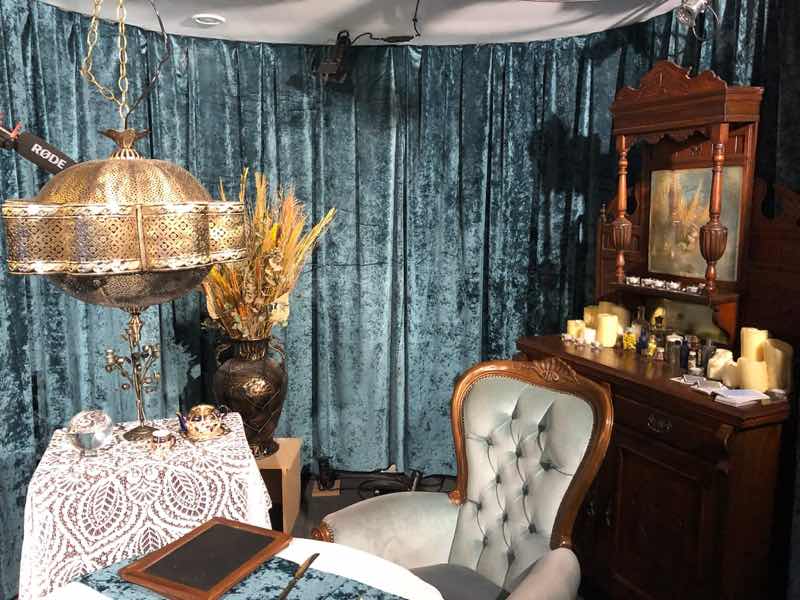
Several materials? Send them together.
Send us the full list of materials and we’ll explain which we can treat.
Treatment planned around the deadline
Treatment and drying are considered around production, installation and filming schedules.




Detailed material guidance
More information for specific materials
Fabric & textilesBackdrops, banners and specialist textiles
Artificial plantsPlastic foliage, flowers and greenery
Dried flowersNatural botanical displays and arrangements
Raw timberUntreated, unsealed absorbent wood
Upholstery coversClearly scoped BS 5852 Part 1 treatment
Curtains & drapesBS 5867 treatment and certification
Common questions
Production fire retardant treatment FAQs
Helpful guidance about materials, appearance and drying.
View all FAQs →Can photographs help you assess the materials?
Yes. Photographs, a material description and details of any paint, coating or finish usually allow an initial assessment. A sample may still be recommended for unusual, delicate or appearance-critical materials.
Can paper and cardboard be treated?
Yes. Absorbent paper and cardboard can be treated. We check delicate print, colour and finishes before application.
Can raw MDF and untreated wood be treated?
Raw, absorbent MDF and untreated wood can normally accept treatment. Painted, laminated, varnished or sealed surfaces require assessment because the finish may prevent absorption.
Can costumes and wearable textiles be treated?
Suitable textile costumes and wearables can be treated using a dermatologically tested fire retardant. We check the material, intended use, appearance and care requirements first.
Will treatment change the appearance?
It can. Paper, cardboard, delicate textiles and finished surfaces may change when wetted and dried. Shiny plastic foliage may retain visible treatment. We recommend a sample where appearance is critical.
How long will treated materials take to dry?
Allow approximately 24 hours at room temperature. Material type, treatment method and conditions can affect drying time.
Treatment and certification
Tell us what needs treating
Send the material details, approximate quantities or sizes, location and deadline. Photographs are helpful for unusual or finished items.