
01Curtains, drapes & fabricsHanging event and production textiles
Backdrops, banners, stage cloths and decorative textiles.
BS 5867 may apply
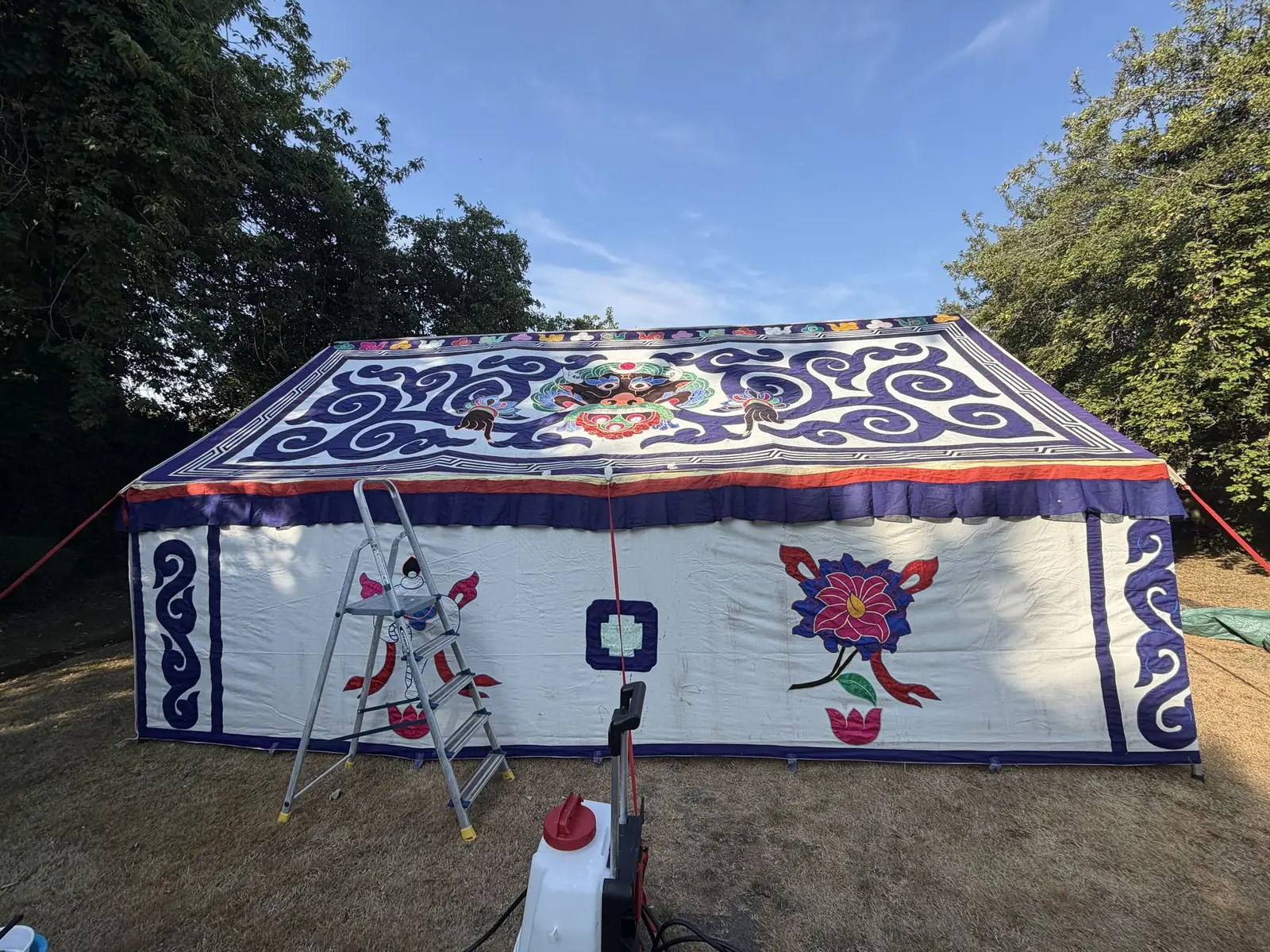
Events and live productions
We treat suitable fabrics, drapes, rugs, foliage, props and temporary installations across the UK—on site or before installation. A treatment certificate is supplied after completion.
Materials we treat
Tell us what needs treating, how it will be used and when it is required. We’ll confirm suitability and the appropriate treatment.
Backdrops, banners, stage cloths and decorative textiles.
BS 5867 may apply
Suitable absorbent tent fabrics and linings.
BS 7837 may apply
Suitable loose, absorbent indoor rugs and temporary floor coverings.
Assessed before treatment
Foliage, dried flowers, furniture covers and other decorative elements.
Treatment depends on the material
Material-specific guidance
The required treatment depends on the material and how it will be used. A fabric used as a curtain, floor covering or wall decoration may require different evidence.
If your venue, insurer or fire-risk assessor has specified a standard: send us their wording when you enquire.
Certification supplied
After treatment and payment, we issue a Certificate of Fire Retardant Treatment for the materials treated.
A straightforward service
We plan the treatment and necessary drying time around your event programme.
Send the material details, location and required date.
We confirm suitability, treatment, price and arrangements.
The materials are treated with the necessary drying time.
Your certificate is supplied after completion and payment.
Proven event experience
Our work includes festivals, live music, venues and temporary installations across the UK.
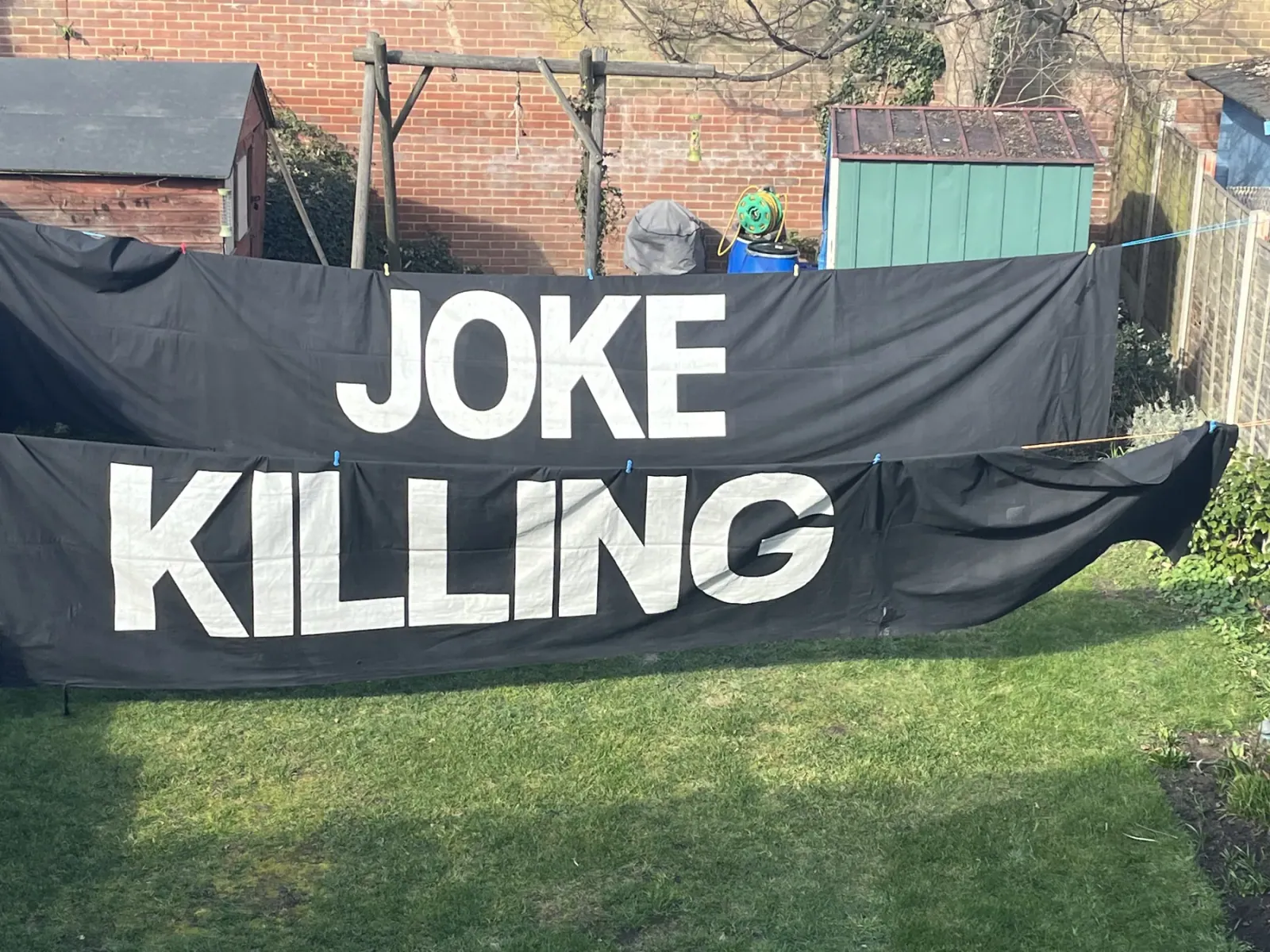
This large fabric band banner was fire retardant treated ahead of Killing Joke’s performance at Colchester Arts Centre. The completed treatment was certified to BS 5867 Part 2 Type B.
The approximately 75m² structure was treated with a fire retardant able to withstand water soaking once properly dried and cured.
Unusual décor can be assessed and treated as part of a mixed-material installation when its construction and intended use are known.
Common questions
For advice about a particular event material, send us the details and required date.
View all FAQs →We treat suitable event fabrics, curtains, drapes, backdrops, tents, marquees, rugs, foliage, props and decorative materials. Suitability and the appropriate treatment depend on the material and how it will be used.
Yes. After treatment and payment, we issue a Certificate of Fire Retardant Treatment for the materials treated and the work completed.
Turnaround depends on the materials, quantity, location, product availability and drying time. Send the event and installation dates as early as possible so the work can be planned properly.
Often, with planning. Work can be completed at event venues where the workspace, access, protection, ventilation and drying conditions are suitable.
Absorbent tent and marquee fabrics can be treated to BS 7837. Treatment cannot penetrate a waterproof or non-absorbent coating. If only the outside is coated, we may be able to treat the accessible, absorbent inside face. Fabric coated or non-absorbent on both sides cannot accept the treatment.
Planning an event or production?
Send the material details, event date and venue address. We’ll confirm suitability and provide a clear quotation.