UK-wide fabric treatment

Fire retardant treatment for fabric installations and displays

Professional UK-wide fire retardant treatment and certification for suitable backdrops, banners, wall textiles, flags, marquee linings and specialist fabric installations.

  • On site or in-house
  • Fast turnarounds
  • Treatment certificate
  • Suitability checked first
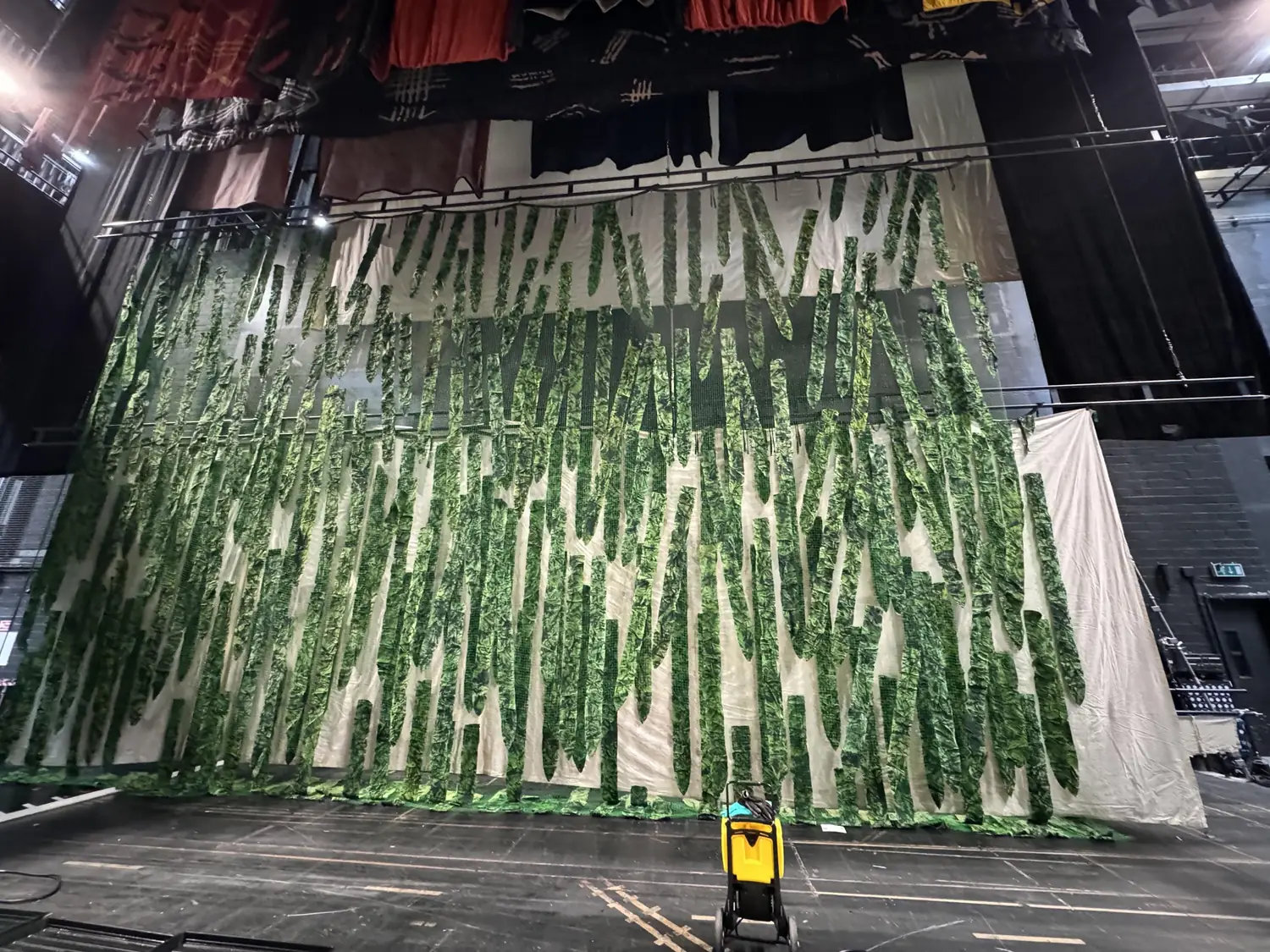
Large green and cream theatrical fabric installation assessed for fire retardant treatment
Real project Specialist fabric installation at a UK theatre

Start with its intended use

The same fabric can need different evidence in different locations

A hanging banner, a stage backdrop and a fixed wallcovering are not automatically assessed in the same way. Before quoting, we establish what the fabric is, where it will be installed and what the responsible person has asked you to provide.

Find your project type →

One general service, several uses

Where is the fabric going?

The answer shapes the treatment method, standard, evidence and whether independent testing is needed.

02

Backdrops and hanging textiles

Stage scenery, blackouts, screens, cycloramas and large decorative fabric pieces.

Curtain service →
03

Tents and marquee linings

Temporary event fabrics where weather, drying space and access affect the treatment plan.

See project work →
05

Specialist installations

Museum, gallery, film, television, theatre and one-off creative projects assessed individually.

Check the material →

Treatment is not the same as classification

Match the paperwork to the actual requirement

We will not claim that an untested fabric has achieved a fire classification. Send us the exact wording you have been given so we can tell you which route is realistic.

Common treatment route

Certificate of Fire Retardant Treatment

For suitable materials, our certificate confirms compliant treatment to the agreed applicable standard. It identifies the fabric, location and work completed.

  • Confirms compliant treatment by a competent person
  • Identifies the material, site and completed work
  • Records the selected specialist treatment system
When BS EN 13501-1 is required

Treat first, then test the complete system

We do not currently provide a BS EN 13501-1 classification for fabric wallcoverings because we do not hold test data covering those fabric and substrate combinations.

  • Suitable fabric can be treated before laboratory testing
  • Class C may be achievable but cannot be promised
  • Class B can be difficult without bonding to an A1 substrate

Important: the responsible person, fire risk assessor, building-control professional or project specifier should confirm the required standard and whether the proposed evidence will be accepted.

Absorbency matters

Can the fabric accept treatment?

Fire retardant must be able to penetrate the textile. Clean, untreated and absorbent fabrics are the strongest candidates; sealed surfaces may prevent the correct application.

Read the common treatment mistakes guide →

CottonWoolPolyesterPolycottonVelvetVelourCalicoJuteHessianBlack wool serge
Materials that may be unsuitable
  • Waterproofed or water-resistantTreatment may bead on the surface rather than penetrate.
  • Waxed, painted or varnishedSurface finishes can block absorption and affect adhesion.
  • Plastic-coated or heavily backedThese require specific evidence and may need a different solution.
  • Delicate or colour-sensitiveA sample trial may be needed before the full item is treated.

Choose the practical route

On-site treatment or send it to us

Pricing is prepared individually because access, protection, travel, fabric type and turnaround all affect the work involved.

01 / On site

Installed or difficult-to-move fabric

Suitable for large backdrops, wall textiles, venue installations, marquee linings and projects that cannot be transported economically.

  • UK-wide service
  • Access and protection planned in advance
  • Drying and ventilation considered on site
02 / In house

Specialist pieces up to around 10 metres

Hand treatment is useful for flags, banners, fabric lengths and urgent small-volume work. It can provide a faster specialist route than high-volume machinery.

  • Hand applied in controlled batches
  • Return delivery can be arranged
  • Useful for short deadlines and one-off items

Real treatment work

From wall textiles to temporary venues

Every project begins with its material, location and evidence requirement—not with a one-size-fits-all certificate.

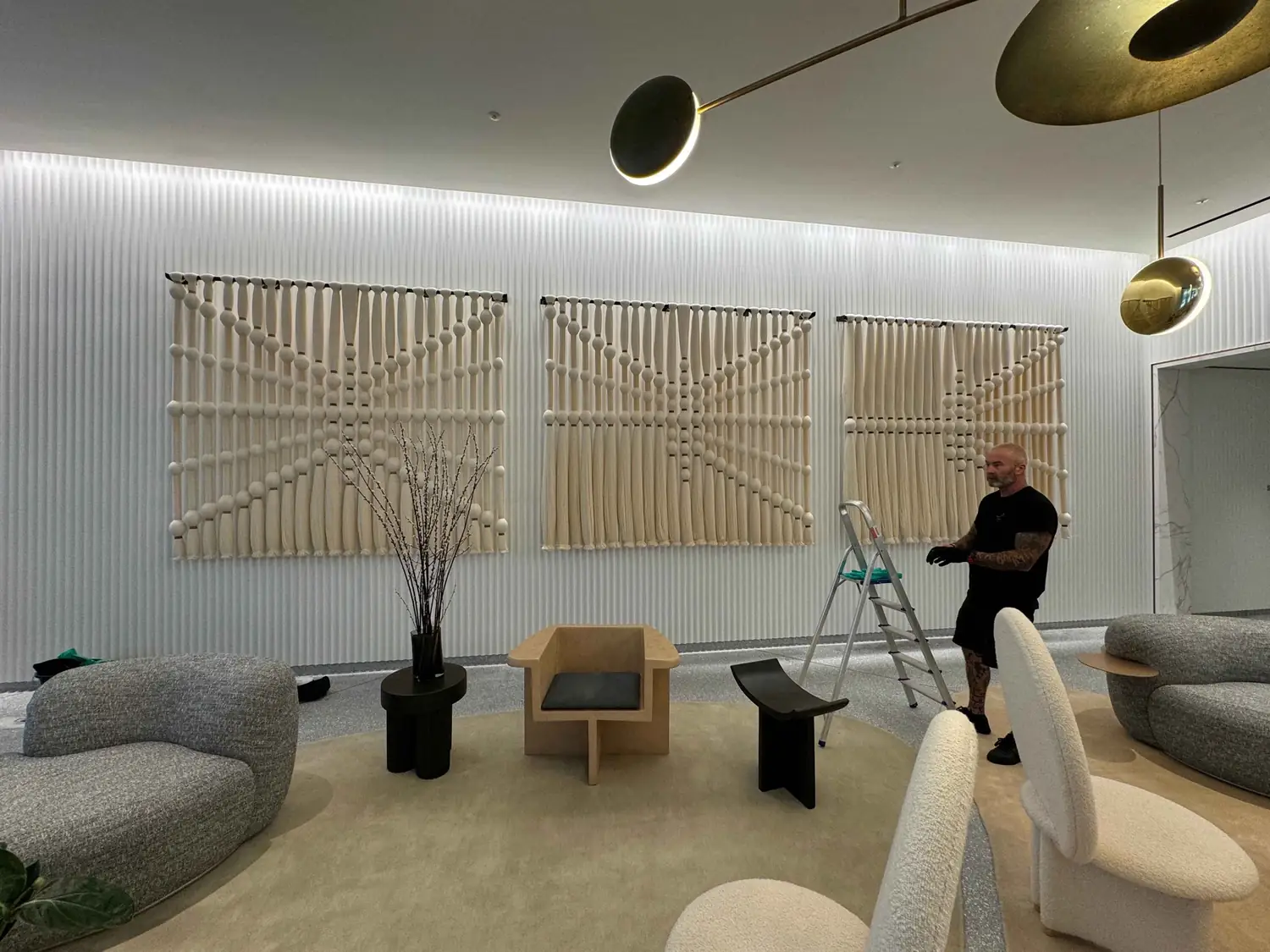
Three large textile wall hangings in a commercial interior
Textile wall artInstalled pieces assessed around material, access and the site requirement.
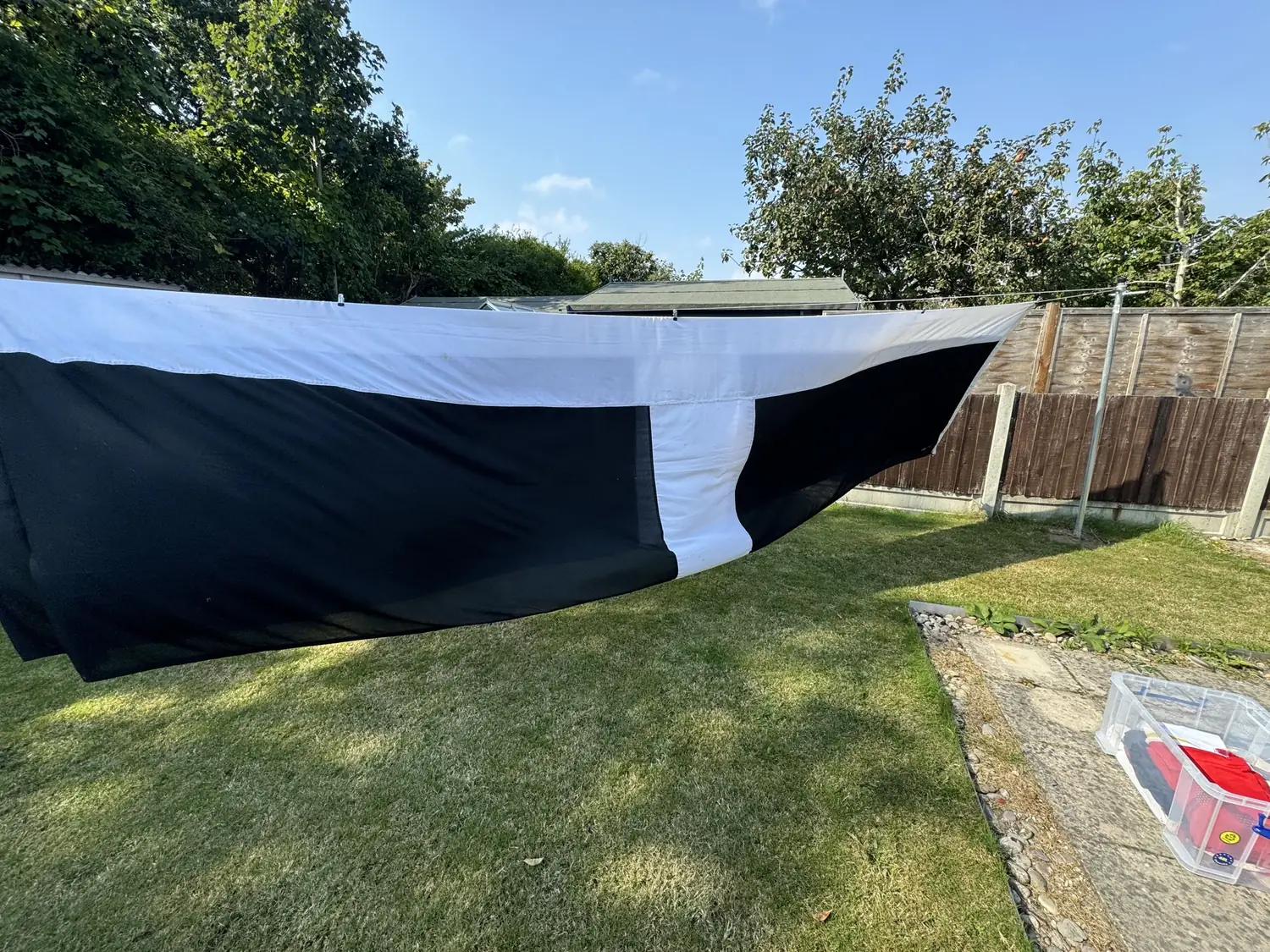
Large black and white fabric flag drying after hand treatment
Flags and bannersSpecialist hand treatment for removable fabric pieces.
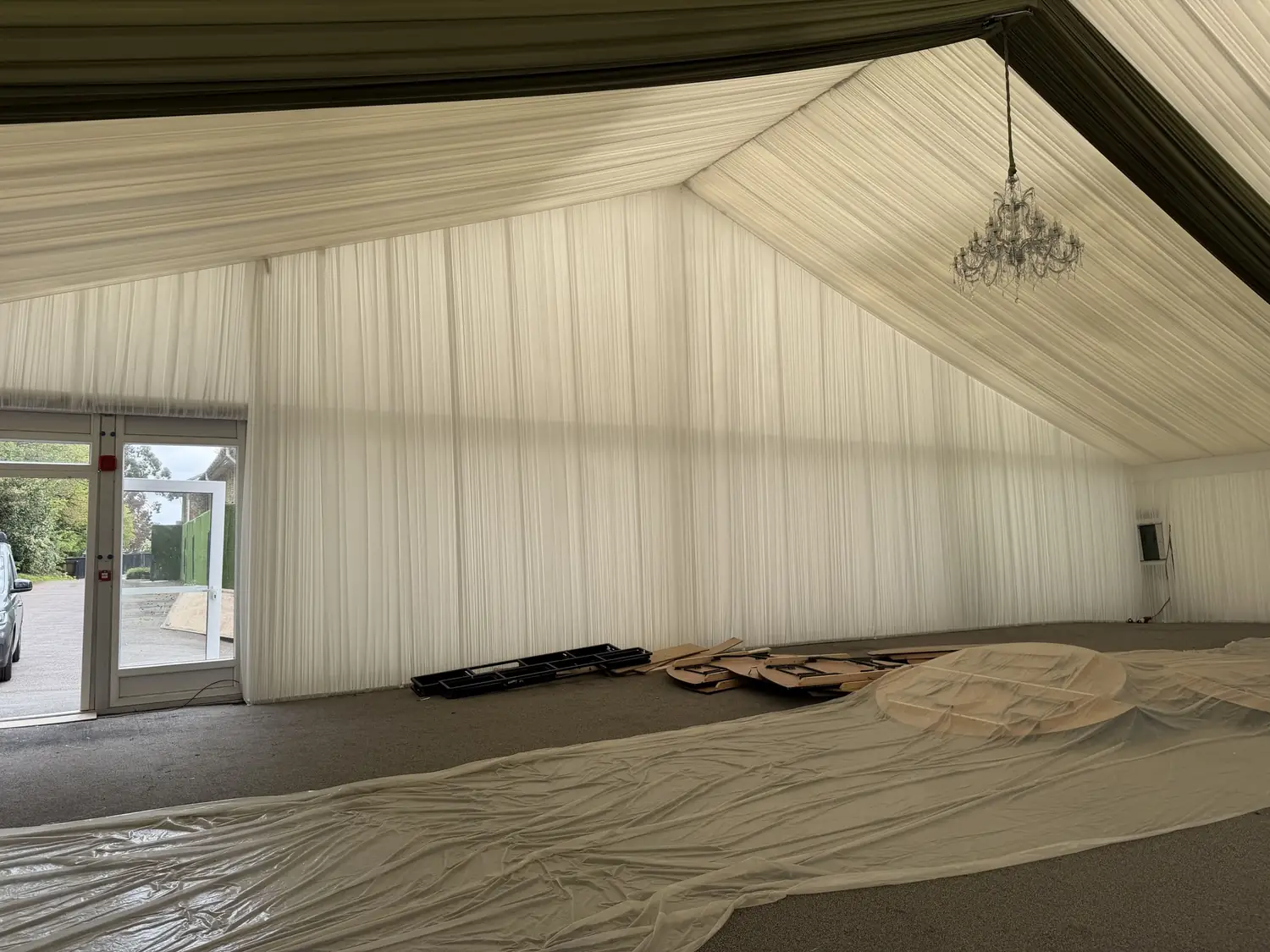
White fabric walls and ceiling lining inside a marquee
Marquee fabricOn-site work planned around access, weather and drying.

From question to documentation

A suitability-led process

  1. 01
    Send the requirement

    Provide dimensions, intended use, location and the exact standard or certificate wording. Photographs are optional.

  2. 02
    Check material and evidence

    We assess absorbency, coatings, installation type and whether testing may be required.

  3. 03
    Agree the treatment route

    On site or in house, with access, preparation, drying and deadline confirmed.

  4. 04
    Sample when needed

    Delicate, unusual or appearance-critical textiles can be trialled before full treatment.

  5. 05
    Treat and dry

    The measured application is completed and the material is allowed to dry thoroughly.

  6. 06
    Receive the certificate

    We issue the Certificate of Fire Retardant Treatment after completion and payment.

Quotations prepared individually

Send enough information for a useful answer

There is no flat price because treating a small banner in-house is very different from protecting and treating a large installed textile at a distant venue.

Check my fabric
  • Clear photographs of the complete item
  • Fabric composition, if known
  • Dimensions or total square metres
  • Any coating, backing or waterproof finish
  • How and where the fabric will be installed
  • Site postcode and access or height details
  • Required completion date
  • Exact standard or certificate wording requested

Keep the treatment in place

Drying, cleaning and retreatment

Treatment normally remains effective for up to five years or five dry-cleaning cycles, whichever comes first, provided the fabric remains dry and is not washed or altered in a way that removes the fire retardant.

Keep it dry

Water washing, extraction cleaning and prolonged weather exposure can remove treatment.

Expect material variation

Colour, feel, stiffness or finish can vary; sample appearance-critical textiles first.

Retain the paperwork

Keep the certificate and supporting information with your fire-safety records.

Common fabric questions

Fabric treatment FAQs

Send the material and requirement for a project-specific answer. Photographs are optional.

View all FAQs →
Can you provide a BS EN 13501-1 certificate for fabric wallcoverings?

No. We do not currently issue a BS EN 13501-1 classification for fabric wallcoverings because we do not hold test data covering those fabric and substrate combinations. Suitable fabric can be treated before it is submitted to an appropriate laboratory for testing.

Does treatment guarantee Class B or Class C?

No. Classification can only be confirmed by the appropriate testing. Class C may be achievable for suitable systems, while Class B can be more difficult, particularly where fabric is not bonded to an A1 non-combustible substrate.

Which fabrics can be treated?

Many clean, absorbent and untreated textiles can be assessed, including cotton, wool, polyester, polycotton, velvet, velour, calico, jute, hessian and specialist display fabrics. Coated, waxed, painted, varnished or waterproofed materials may not absorb treatment.

Can fabric be treated in your workshop?

Yes. Suitable removable fabrics and pieces up to approximately 10 metres can be treated by hand in-house. This can be useful for specialist items, small quantities and fast turnarounds.

How long does the treatment last?

Treatment normally remains effective for up to five years or five dry-cleaning cycles, whichever comes first, provided the fabric remains dry and is not washed or treated in a way that removes the fire retardant.

Will treatment change the fabric?

Many suitable fabrics dry without an obvious change, but colour, feel, stiffness or finish can vary. Sample treatment is recommended for delicate, colour-sensitive or unusual materials.

What certificate will I receive?

For a suitable material and agreed treatment standard, we issue a Certificate of Fire Retardant Treatment confirming compliant treatment by a competent person. It identifies the material, location and work completed. BS EN 13501-1 wallcovering classification is a separate project-specific route.

What do you need for a quotation?

Provide material details, dimensions or square metres, the intended use, any coating or finish, site postcode, access information, deadline and the exact fire standard or certificate wording requested. Photographs are optional.

Start with the fabric and its use

Let’s check the right route

Send material details, dimensions, postcode, deadline and the wording you have been asked to satisfy. Photographs are optional. We’ll tell you whether treatment is suitable and what evidence can realistically be provided.

Check my fabric
Call nowGet a quote