
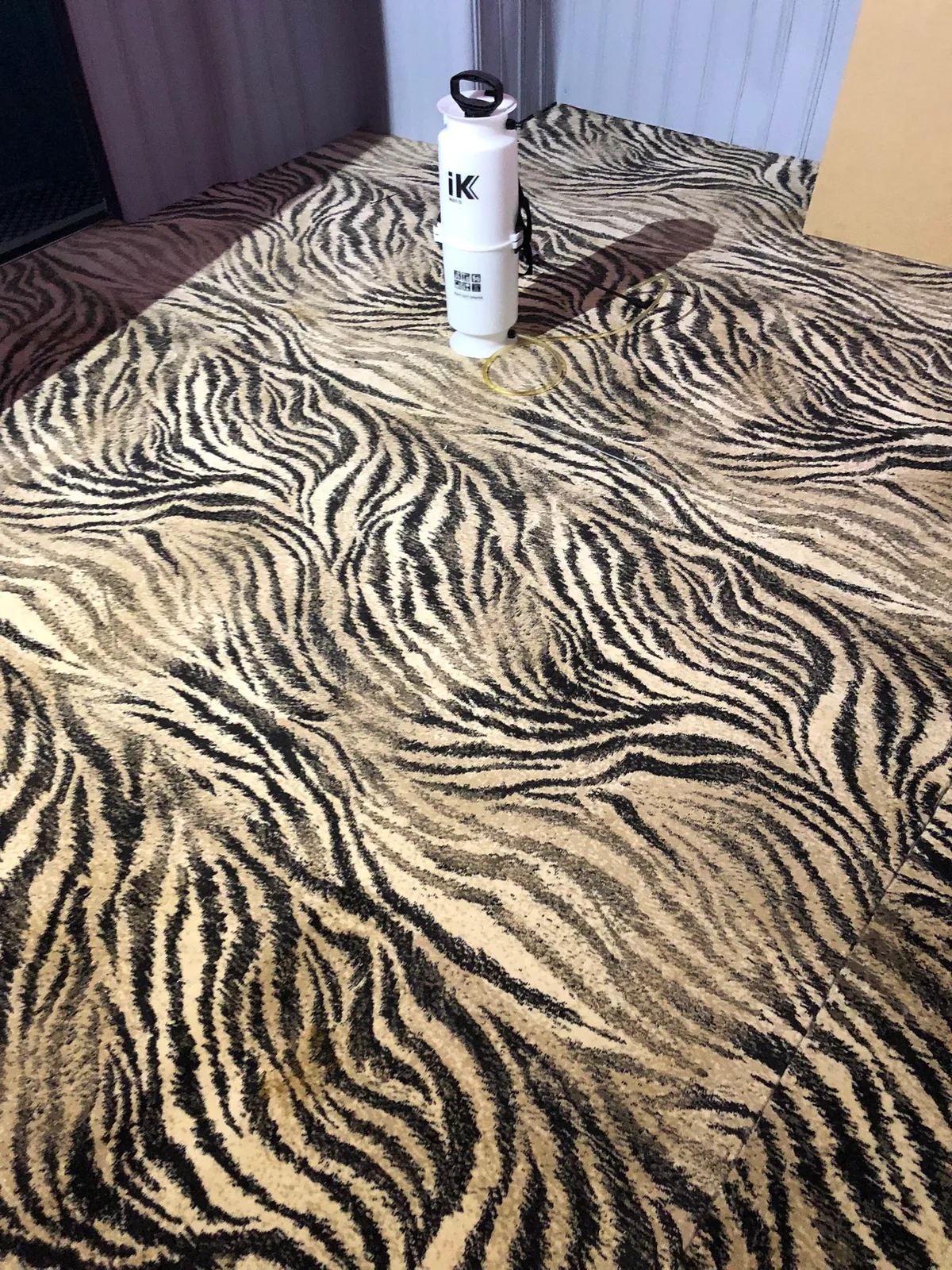
The direct answer: Loose rugs and carpet pieces can be treated when the fibres are absorbent and the material has no water-resistant finish or rubber backing. Both natural and synthetic absorbent fibres can be treated, and the treatment has been tested to BS EN 13501-1 Class Bfl.
01 · Clear exclusions
Which carpets and rugs cannot be treated?
The material must absorb the fire-retardant solution and allow the required areas to be treated evenly. We do not treat:
- Fitted or bonded carpets
- Polypropylene carpets and rugs
- Rubber-backed products
- Outdoor rugs
- Water-resistant or stain-resistant materials
- Materials with a coating that prevents absorption
Fitted carpets require regular professional cleaning, and water-extraction cleaning removes the treatment. Access to the underside is also restricted once a carpet has been fitted. Where fitted carpet requires a particular fire classification, the appropriate solution is a flooring product manufactured and tested to that classification.
02 · The right application
Treatment is more appropriate for loose rugs
Loose rugs and carpet pieces can be inspected and treated evenly. They are most often treated for indoor displays, exhibitions, film and theatre sets, events or commercial interior displays.
The rug must remain indoors and dry after treatment. Routine vacuuming does not remove the treatment and can be used to control dust and surface debris.
Water-based cleaning removes the treatment
Water washing and water-extraction cleaning remove the fire-retardant treatment. The item must be treated again after either cleaning process.
We do not recommend post-treatment for rugs or carpet pieces intended for permanent, heavily used flooring. Where a customer still wishes to proceed, treatment is only undertaken after the maintenance limitations have been explained and accepted.
03 · Fire classification
What fire classification does the treatment provide?
The fire-retardant treatment has been tested to BS EN 13501-1 Class Bfl for flooring materials.
The material must absorb the correct quantity of treatment and be treated in accordance with the tested application method.
04 · Treatment certificate
Will a certificate be provided?
A Certificate of Fire Retardant Treatment is supplied after the agreed work has been completed and payment received.
The certificate identifies the items treated and confirms the BS EN 13501-1 Class Bfl treatment provided.
05 · Previous work
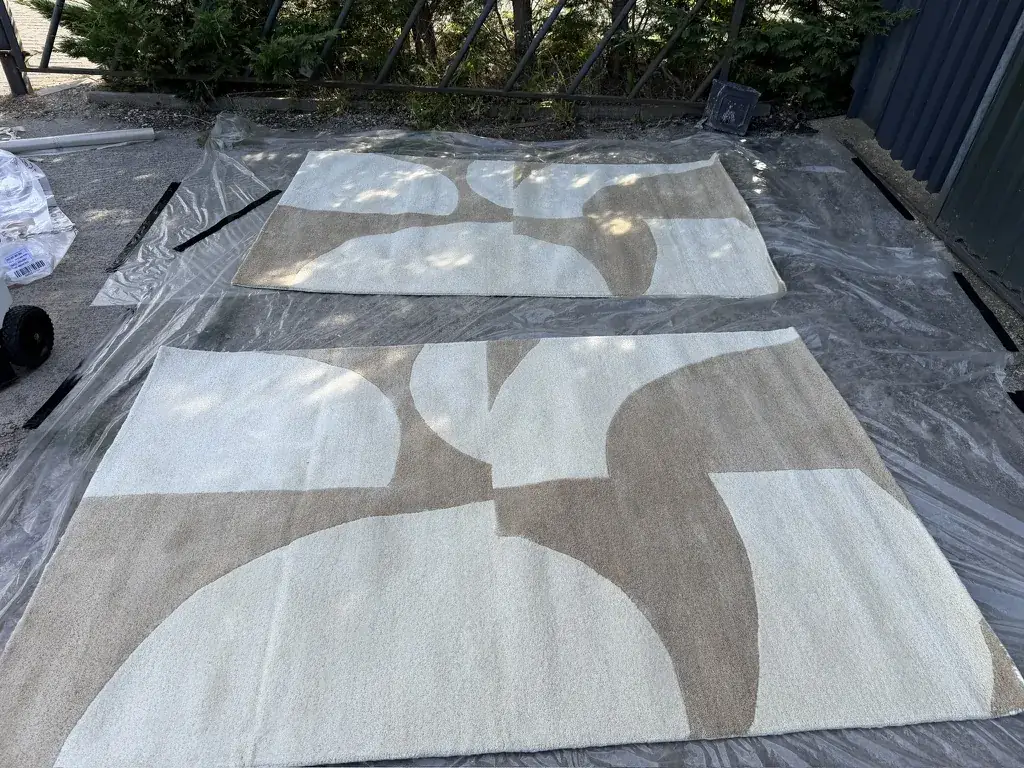
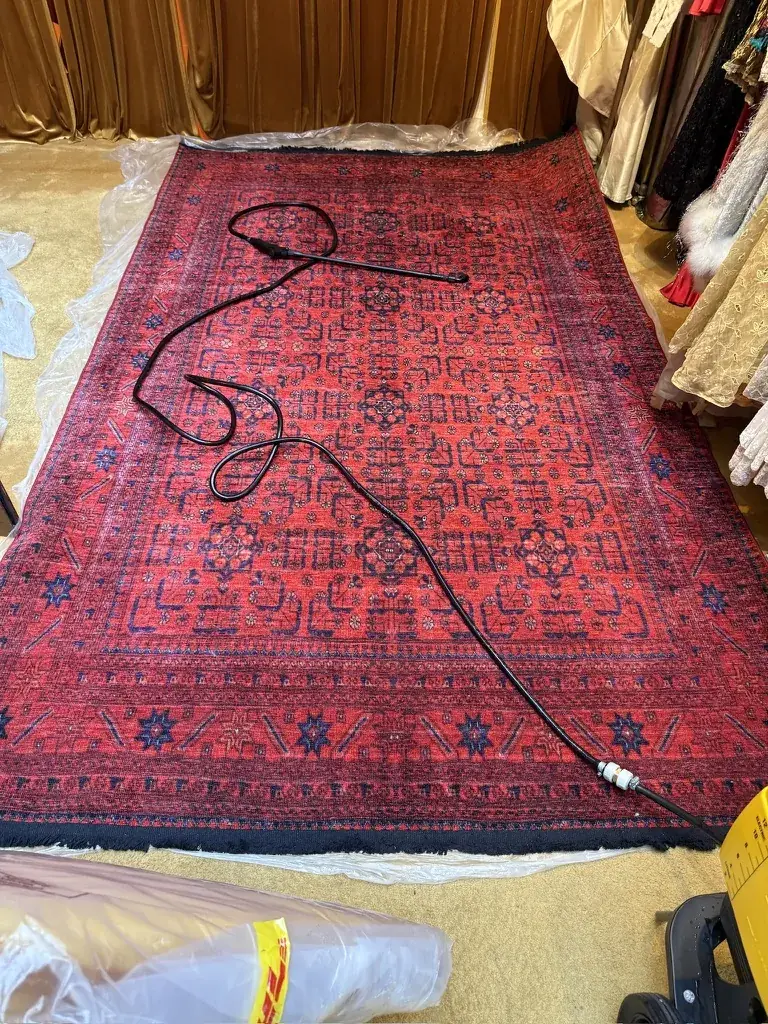
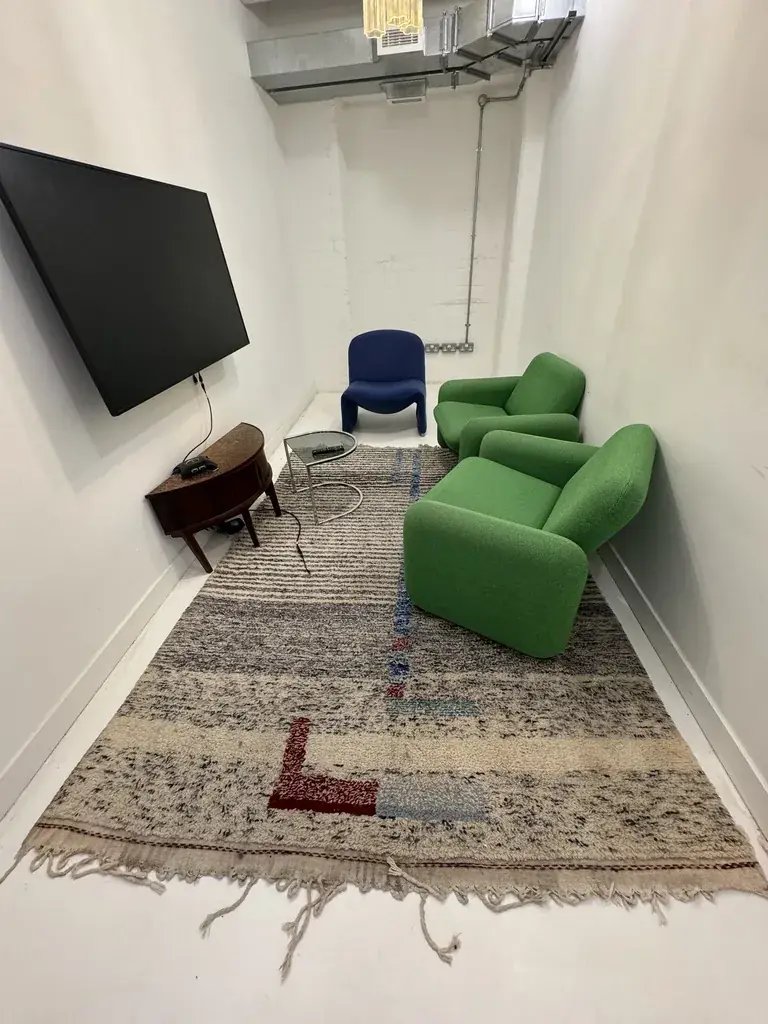
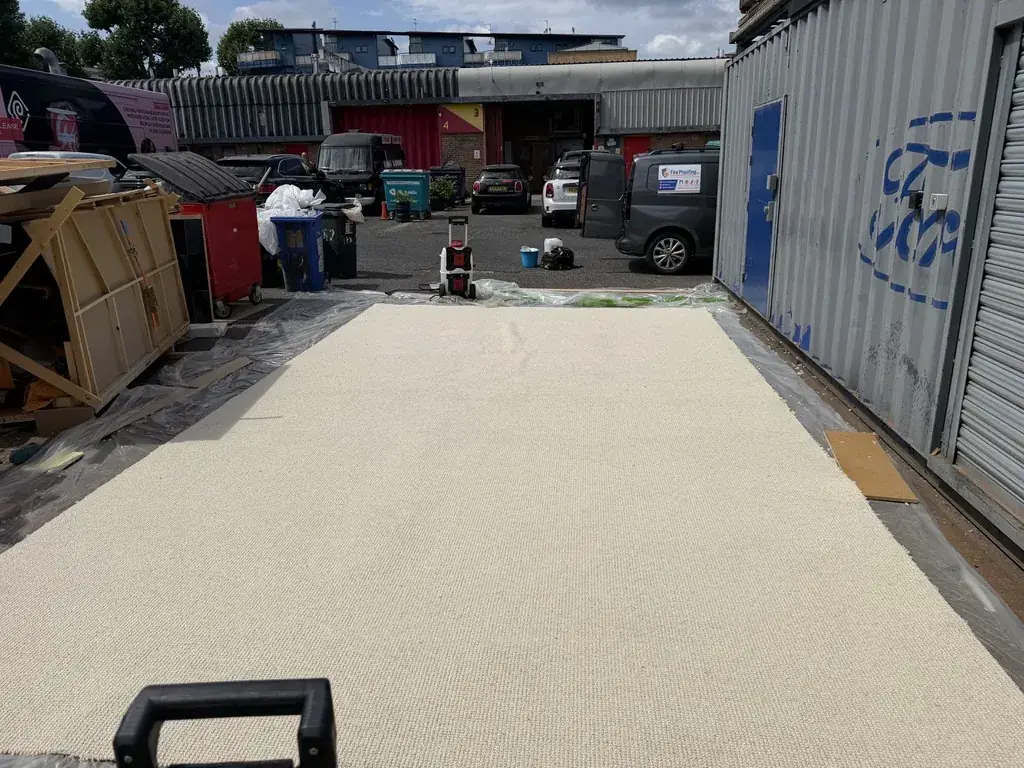
Loose rugs and carpet pieces we have treated
06 · Common questions
Carpet and rug questions
Can carpets and rugs be fire-retardant treated?+
Loose rugs and carpet pieces can be treated when the fibres are absorbent and the material has no water-resistant finish or rubber backing. The treatment has been tested to BS EN 13501-1 Class Bfl.
Which carpets and rugs cannot be treated?+
We do not treat fitted or bonded carpets, polypropylene carpets and rugs, rubber-backed products, outdoor rugs, water-resistant materials or coatings that prevent absorption.
Can fitted carpet be fire-retardant treated?+
No. We do not treat fitted or bonded carpets because routine water-extraction cleaning removes the treatment and the complete material cannot be accessed once installed.
Can a treated rug be vacuumed?+
Yes. Routine vacuuming does not remove the fire-retardant treatment.
Can a treated rug be washed?+
Water washing and water-extraction cleaning remove the treatment. The rug must be treated again after either cleaning process.
What fire classification has the treatment achieved?+
The fire-retardant treatment has been tested to BS EN 13501-1 Class Bfl for flooring materials.